
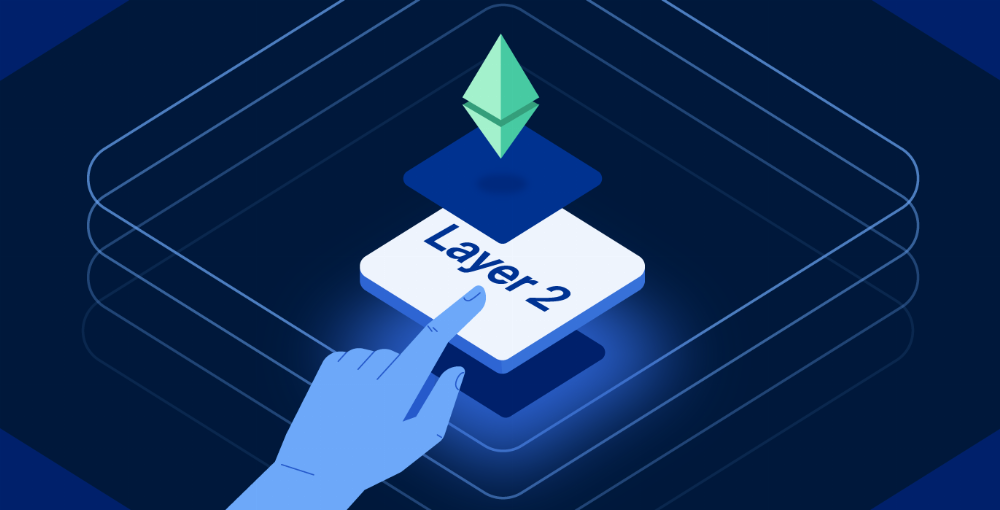
Introduction: The Scaling Problem No One Can Ignore
If you’ve been around crypto Twitter, Discords, or conference panels lately, you’ve probably noticed one term coming up over and over again: Layer 2s. Everyone’s talking about them—and for good reason.
Crypto has a scalability problem. Ethereum, the most popular smart contract platform, has struggled with high fees, slow transaction times, and congestion every time usage spikes. And as more people flood into decentralized finance (DeFi), NFTs, and on-chain gaming, these issues become more obvious—and more expensive.
Enter Layer 2s (L2s): the technology stack that promises to make blockchain faster, cheaper, and more usable for everyday applications.
But Layer 2s aren’t just a technical fix—they’re quickly becoming one of the biggest narratives in crypto today. And whether you’re a builder, investor, or just a curious onlooker, it’s time to understand why they matter—and how they’re reshaping the crypto space.
What Are Layer 2s, Anyway?
Let’s break it down simply:
A Layer 2 is a secondary framework or protocol built on top of an existing blockchain (Layer 1, like Ethereum). The goal? To handle transactions more efficiently without compromising the security and decentralization of the main chain.
Here’s how it works:
-
Most transactions happen off the main chain.
-
These are later bundled and submitted to the main chain as one, drastically reducing congestion.
-
Users get faster, cheaper transactions without losing Ethereum’s security.
There are two main types of Layer 2 solutions you’ll hear about:
-
Optimistic Rollups (e.g., Optimism, Arbitrum): Assume transactions are valid by default but can be challenged.
-
ZK-Rollups (e.g., zkSync, Starknet): Use zero-knowledge proofs to validate batches of transactions.
Big players are already involved: Coinbase launched its own Layer 2, Base. Major DeFi protocols like Uniswap and Aave have L2 deployments. And VC money is pouring in.
Why Layer 2s Matter Right Now
So why the sudden rush into L2s?
-
Ethereum Congestion Is a Bottleneck
-
During peak usage (think NFT booms or meme coin frenzies), Ethereum’s gas fees can spike to ridiculous levels.
-
L2s reduce those fees drastically while maintaining Ethereum’s decentralization benefits.
-
-
Mass Adoption Needs Lower Fees
-
If crypto is going to onboard millions of people, no one’s paying $50 to swap tokens or mint an NFT.
-
L2s bring transaction costs down to cents—or fractions of a cent.
-
-
Ecosystem Growth
-
Entire ecosystems are being built directly on L2s.
-
Example: Friend.tech exploded in 2023 on Base. Gaming projects are favoring zk-rollups for speed.
-
-
Institutions Are Watching
-
Big finance is interested in Ethereum’s security but not its costs.
-
L2s solve that—and we’re seeing traditional players test the waters.
-
Real-World Use Cases for Layer 2s
This isn’t just theory. Layer 2s are already powering some of the most exciting use cases in crypto today:
✔️ DeFi — Major protocols like Uniswap on Arbitrum allow for faster trades and lower fees, attracting traders who would otherwise skip smaller transactions on Ethereum mainnet.
✔️ NFTs & Gaming — NFT platforms are migrating to L2s to allow low-cost minting, trading, and gameplay. zkSync and Starknet are gaining traction with gaming developers.
✔️ On-Chain Social Apps — Apps like Farcaster are using L2s to make on-chain social media possible without saddling users with gas fees on every post or interaction.
✔️ Payments — Fast, cheap payments—finally becoming viable thanks to Layer 2 throughput.
It’s Not All Perfect: Challenges and Criticisms
With all the hype, it’s important to know where Layer 2s still face challenges:
-
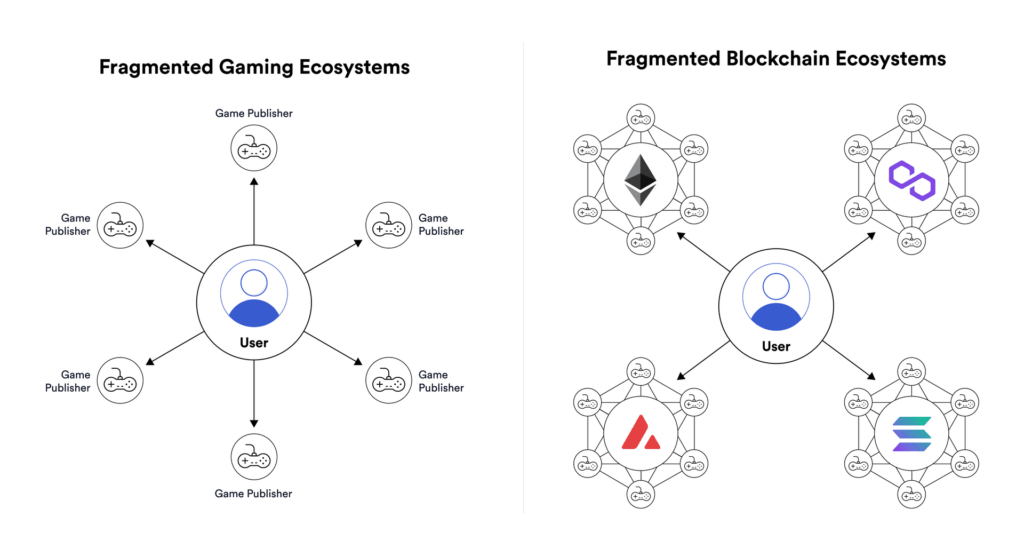
Fragmentation: Multiple L2s mean liquidity is spread across chains. Bridging funds between them is still clunky.
-
Bridging Risks: Hacks on bridges have been some of the largest crypto exploits to date.
-
User Experience (UX): For the average user, interacting with L2s can still feel technical and fragmented.
-
Security Trade-Offs: While L2s rely on Ethereum security, individual bridges or applications may not.
Despite these challenges, the momentum is unmistakable. Solutions are being built for many of these pain points, and competition among L2s is rapidly pushing innovation forward.
Why You Should Care
No matter what your role is in the crypto world, Layer 2s should be on your radar:
- 👉 Builders & Startups: L2s drastically lower the cost of deploying applications, opening doors to creative business models that simply weren’t viable on mainnet Ethereum.
- 👉 Investors: The growth of L2 ecosystems represents massive potential. We’re not just talking about speculative tokens, but entire application layers generating real fees and users.
- 👉 Everyday Users: Want to use crypto without paying through the nose for basic transactions? L2s are your solution. They make interacting with Web3 faster, cheaper, and more pleasant.
The Future of Crypto Runs on L2
Here’s the thing: L2s are no longer just a possible solution for Ethereum’s scaling problems—they’re quickly becoming the solution.
As Ethereum itself rolls out more upgrades (like danksharding and EIP-4844), L2s will get even cheaper and faster. We’re heading toward a modular blockchain future where Ethereum becomes a settlement layer, while L2s handle the day-to-day transactional load.
In other words: If you’re still ignoring Layer 2s, you’re missing where the action is happening.
The question isn’t if crypto scales via Layer 2s—it’s how far they’ll take us.
So… if you weren’t paying attention before, now’s the time to catch up.
Final Thoughts
Everyone’s talking about Layer 2s because they’re not just a niche technical fix—they’re the key to crypto’s mainstream moment.
Faster. Cheaper. Smarter. That’s the promise of L2—and you should absolutely be paying attention.