

In crypto, timing isn’t just everything—it’s the difference between relevance and oblivion.
Every founder is told to “tell a better story.” But even the most well-crafted narrative can fall flat if it enters the market at the wrong moment.
What most don’t realize is this:
When you tell your story matters just as much as what you say.
Narrative timing is about aligning your message with the market’s attention span. It’s not about chasing trends blindly—it’s about understanding when the market is primed to listen and what language it’s already using to make sense of the world.
In this blog, we’ll unpack the strategic power of narrative timing and how it can help founders:
-
Gain visibility without huge ad spend
-
Attract aligned investors and users
-
Avoid the fate of being “early but ignored”
1. Great Story, Wrong Time = Missed Opportunity

Founders obsess over their product narrative—but forget to ask when the world is ready to hear it.
You can have:
- A solid pitch deck
- Strong vision
- World-class team
But if you speak before the market is paying attention—or after the moment has passed—your message won’t land.
“Being early is indistinguishable from being wrong… until the narrative catches up.”
2. What Is Narrative Timing?
Narrative timing is the strategic act of syncing your:
- Launches
- Messaging
- Positioning
with what the market is already excited about.
It means aligning with:
- Investor sentiment
- Dominant Twitter/X discourse
- Conference panels and macro news
- Market narratives that carry momentum
You’re not inventing a trend—you’re entering the conversation when others want to hear it.
3. How to Ride Existing Narratives
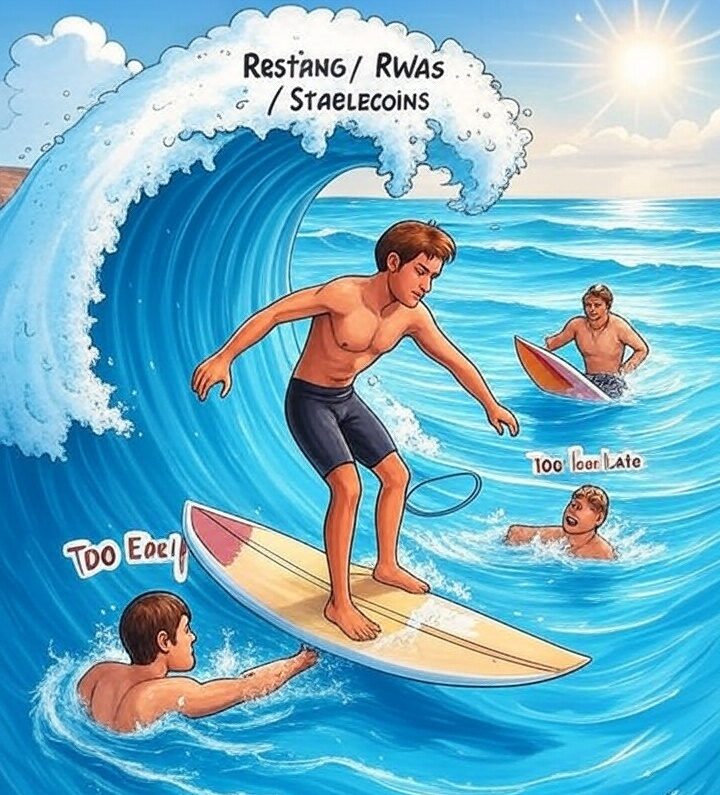
You don’t need to “be the first.” You need to be well-positioned when the narrative peaks. Let’s look at examples:
Restaking
Why it works: EigenLayer set the tone.
How to ride it:
- “Restaking-native” UX
- Modular security alignment
- Compatibility with existing restaking layers
Real-World Assets (RWAs)
Why it works: BlackRock + Maker made RWAs hot
How to ride it:
- Use terms like real-world yield, tokenized credit
- Highlight partnerships with TradFi or regulated partners
- Announce milestones in sync with macro news (Fed, BlackRock, etc.)
Stablecoins
Why it works: Regulatory clarity + global use cases
How to ride it:
- Frame your product around settlement, global payments, or stable yield
- Pair your update with major policy discussions (MiCA, US stablecoin bills)
4. Spotting a Narrative Before It Peaks
Early signals help you ride momentum before the crowd arrives.
What to watch:
- VC fund announcements with theme overlaps
- Recurring topics in Bankless, Empire, Unchained
- Dev trends at hackathons
- LinkedIn/Twitter influencer phrases (“modular,” “verifiable inference”)
- Hiring signals from top companies
Narrative alpha = marketing edge.
5. Timing Misfires: Fatigue and Premature Launches
Too many founders try to stay “relevant” by forcing updates. But badly timed noise does more harm than good.
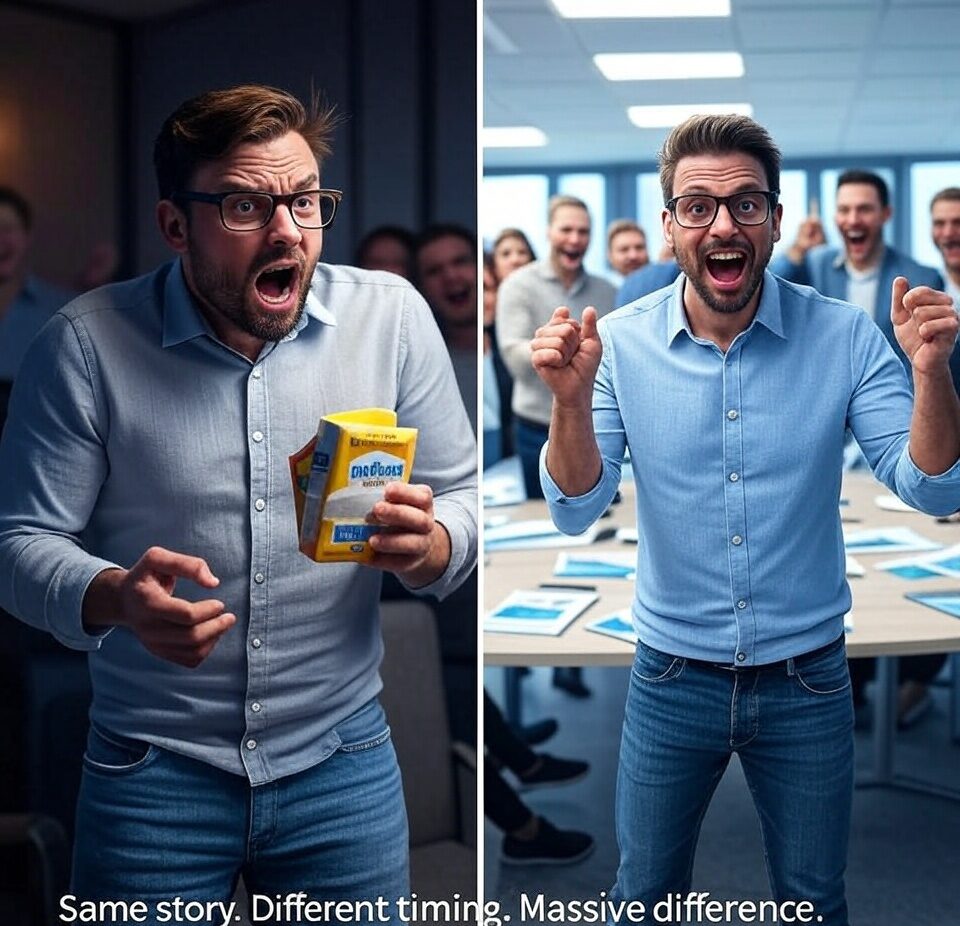
Avoiding Announcement Fatigue
Signs you’re overdoing it:
- Weekly announcements no one reacts to
- Vague partnership drops
- “New version coming soon!” updates with no change
Result: Followers tune out, and trust erodes.
Premature PR
This is the most common killer of narrative potential.
You hype the product too early—before there’s real traction, real users, or even something to show.
You burn the buzz before the market even knows why they should care.
Examples of Perfectly Timed Launches
- Base (Coinbase L2): Announced at peak L2 momentum, backed by strong partners
- Ondo Finance: Launched RWA products as BlackRock & Maker were flooding headlines
- dYdX Chain: Waited until the Cosmos appchain narrative matured before their shift
Examples of Poorly Timed Launches
- NFT marketplace clones after the 2022 collapse
- “AI x Crypto” token drops with no AI, during peak AI fatigue
- Token launches during low-liquidity macro events → flop
6. Build a Narrative Timing Plan
Step 1: Track the calendar
- ETHCC
- Devconnect
- FOMC dates
- VC demo days
- ETF approval windows
Step 2: Map the narrative
Keep a doc of:
- Theme
- Market heat
- Is it overhyped, peaking, or just forming?
Step 3: Time your releases
- Launch v1 during narrative attention
- Fundraise announcements near event weeks
- Coordinate partner PR around trend buzz
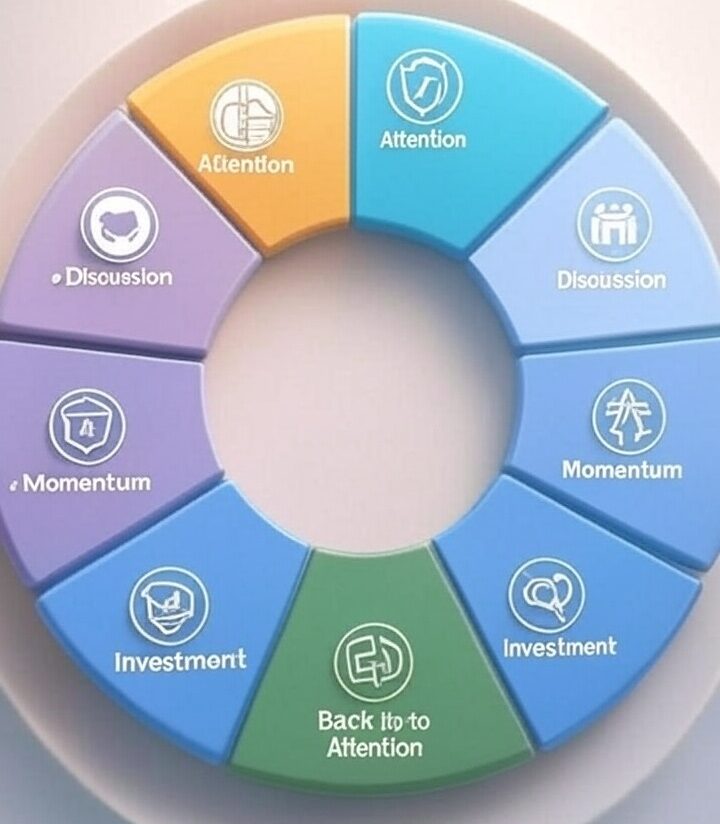
7. What VCs and Journalists Actually Want
They want narrative relevance. Your story is easier to sell when it fits:
- Macro themes
- Investor theses
- Conversations already happening
Speak in their language, not just yours.
Example:
“We enable credit markets for the RWA ecosystem.”
Sounds way better than “we’re a new lending dApp.”
8. Conclusion: Timing Isn’t Cosmetic. It’s Strategic.
Your startup’s success doesn’t just depend on the product. It hinges on:
- When you show up
- What you align with
- How you position your moment
Narrative timing turns a good launch into a movement—and a quiet drop into a wave.
Takeaways
- Ride narrative waves instead of inventing your own too early
- Avoid announcement fatigue—launch only when it matters
- Use real market signals to time your PR, messaging, and growth
- Launch isn’t just about shipping. It’s about synchronizing with attention