

Introduction: Why Memes Rule the Internet
In today’s digital world, attention is the most valuable commodity. Traditional advertising struggles to capture it because audiences are bombarded with information at every scroll. Enter memes: short, witty, and highly relatable. They travel faster than polished ad campaigns, spreading like wildfire across Twitter, Telegram, Reddit, and TikTok.
For crypto, an industry that was born online and thrives on community culture, memes aren’t just entertainment. They are an essential part of communication, branding, and identity. They shape narratives, rally communities, and often do more to spread awareness than million-dollar PR campaigns.
The rise of meme-driven projects like Dogecoin and Shiba Inu has shown us something important: humor is not just a side effect of crypto marketing—it’s a core driver of attention and adoption. The so-called “meme economy” has become one of the most powerful, if misunderstood, forces in Web3.
This blog explores how memes have transformed crypto marketing, why they work better than traditional strategies, the risks involved, and what this phenomenon teaches us about the future of digital communication.
A Short History of Memes in Crypto
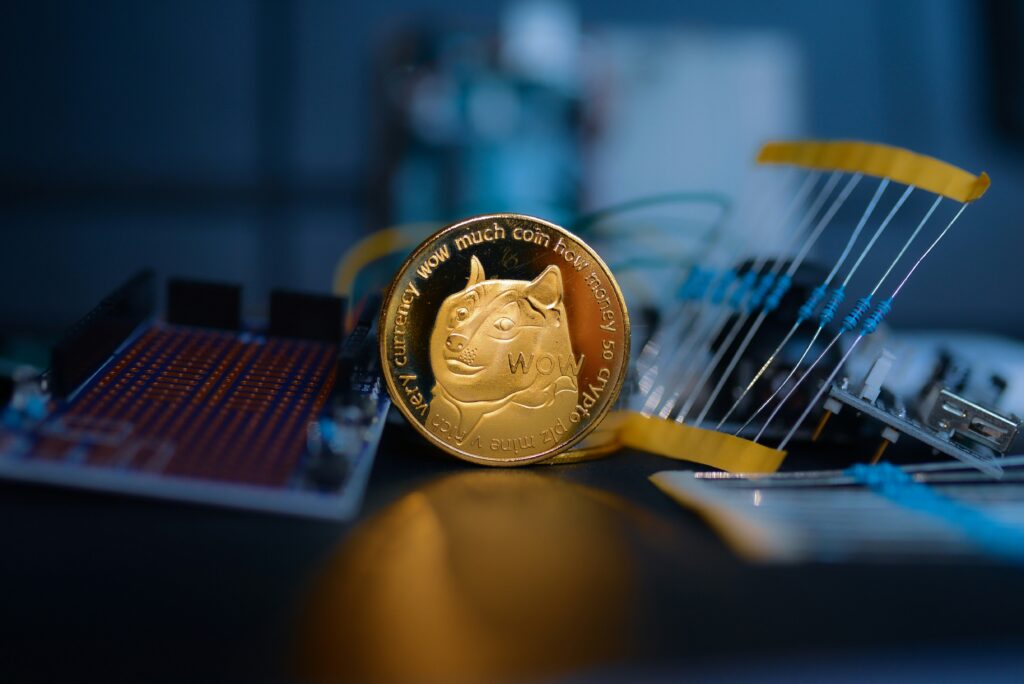
Crypto and meme culture have always been intertwined. In fact, one could argue that memes helped make crypto mainstream.
-
Dogecoin (2013): Created as a joke inspired by the Shiba Inu “Doge” meme, Dogecoin was never intended to be taken seriously. Yet, because of its lighthearted nature and meme power, it developed a strong community. Fast forward to today, Dogecoin is one of the top cryptocurrencies, with billions in market capitalization.
-
Shiba Inu (2020): Riding on the same meme wave, Shiba Inu branded itself as the “Dogecoin killer.” Its identity wasn’t built on whitepapers or tech breakthroughs but on meme culture and a highly engaged online community.
-
Pepe the Frog and Wojak: These internet-native memes became symbols in crypto trading circles, representing emotions like hope, despair, and triumph during market cycles. They provided a cultural shorthand for traders to express themselves.
-
Elon Musk Effect: Elon’s meme-laden tweets about Dogecoin are proof of meme power. A single joke from him could move markets, demonstrating how humor and virality can directly impact real-world value.
What started as internet inside jokes evolved into full-blown marketing strategies. The difference? Memes were never “pushed” on people. They emerged naturally from communities, making them more authentic and trusted.
Why Memes Work Better Than Traditional Ads
There’s a reason memes spread faster than banner ads or polished videos: they’re designed for human psychology.

-
Humor lowers defenses: People are skeptical of marketing, but they’re open to jokes. A funny meme feels like entertainment, not persuasion.
-
Relatability wins: Memes speak the audience’s language. Instead of jargon or corporate messaging, they capture shared experiences like “buying the dip” or “holding through pain.”
-
Built-in virality: Memes are meant to be shared. When one resonates, it can spread across Twitter, Reddit, Discord, and Telegram in hours—something traditional campaigns can’t buy.
-
Community bonding: Sharing memes strengthens group identity. In crypto, this is crucial because communities drive projects. A holder who laughs at the same meme feels like part of the tribe.
Compare this with traditional marketing. Ads often feel cold, corporate, and expensive. Memes, on the other hand, are cheap, authentic, and community-driven—perfect for crypto’s grassroots ethos.
The Meme Economy in Action: Case Studies
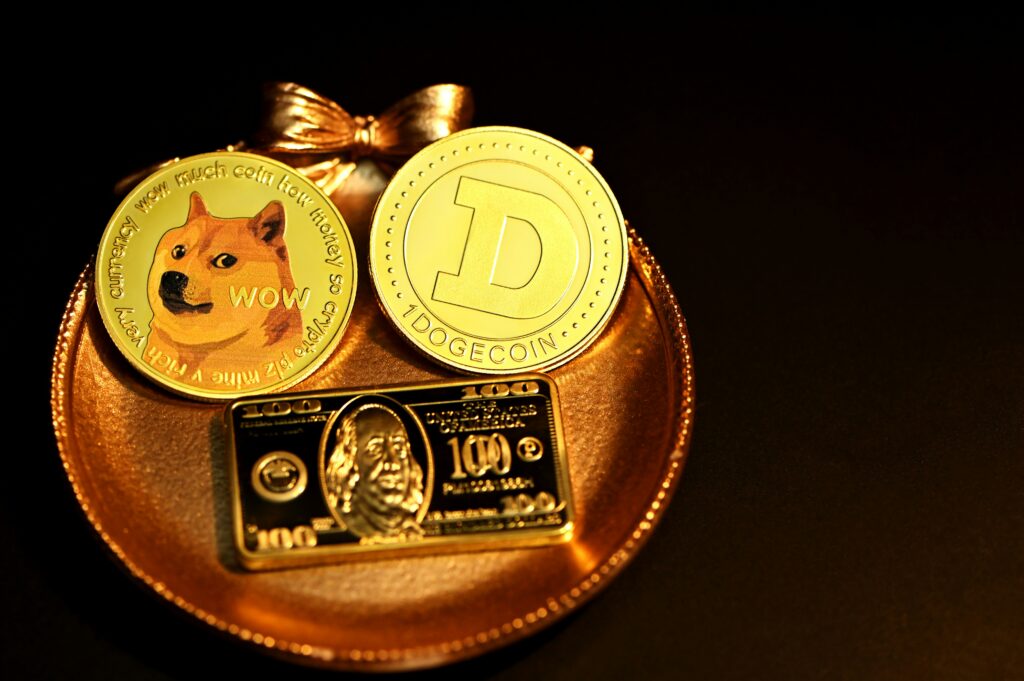
Dogecoin
Dogecoin is the most famous example of meme power. Its community thrived on humor, turning a “joke coin” into a movement that sponsored NASCAR cars, raised funds for charity, and caught Elon Musk’s attention. Dogecoin showed that financial value can emerge from cultural value.
Shiba Inu
Shiba Inu took the meme concept further by building a strong ecosystem (DEX, NFTs, governance) around its brand. Its success wasn’t due to superior technology but because its community felt like part of an inside joke that grew into something bigger.
Pepe Coin (2023)
Despite controversy around Pepe the Frog in other contexts, the meme had strong cultural roots in crypto trading. In 2023, the launch of Pepe Coin sparked massive attention online—not because of utility but because it tapped into an existing meme economy.
Non-Crypto Examples
Even outside crypto, companies have discovered meme power. Wendy’s is famous for its witty Twitter clapbacks. Duolingo uses chaotic, meme-filled TikToks to engage younger audiences. These brands show that humor, when authentic, builds loyalty better than polished ad campaigns.
Risks of Meme Marketing
As powerful as memes are, they’re not without risks.
-
Short-lived hype: What’s funny today might be forgotten tomorrow. Building a brand solely on memes risks fading into irrelevance once the joke dies.
-
Backfiring humor: Memes can be misinterpreted or offensive, damaging credibility. One wrong joke can alienate an audience.
-
Oversaturation: When every project tries to be funny, the humor feels forced. Authenticity is key.
-
Speculative traps: Meme-driven coins often spark massive hype but lack fundamentals. This can hurt investors and the project’s reputation.
Memes are powerful tools, but they must be used carefully. A sustainable strategy balances humor with substance.
What the Meme Economy Teaches Marketers

The rise of memes in crypto marketing offers broader lessons for all digital communicators.
-
Authenticity > polish: People connect more with raw, funny memes than with overproduced campaigns.
-
Participation matters: Communities want to join the fun, not be talked down to. Memes thrive when they’re shared, remixed, and co-created.
-
Emotion drives action: Whether it’s laughter, joy, or collective identity, emotion spreads faster than logic.
-
Attention can’t be bought, only earned: Memes prove that virality comes from relevance, not ad spend.
In a world where audiences are increasingly skeptical of marketing, humor shows a new way forward: earn attention by being human.
Conclusion: The Future of Humor in Crypto Marketing
The meme economy is not a passing trend. It reflects a deeper truth about the internet: people trust culture more than corporations. Humor, relatability, and community have more power to move markets than traditional strategies.
For crypto, which can often feel technical and intimidating, memes make the space approachable. They bring people in, break down walls, and remind us that finance can also be fun.
As projects, brands, and communities look toward the future, one thing is clear: memes aren’t just jokes. They are cultural currency. And in the world of crypto marketing, cultural currency is often more valuable than money itself.