
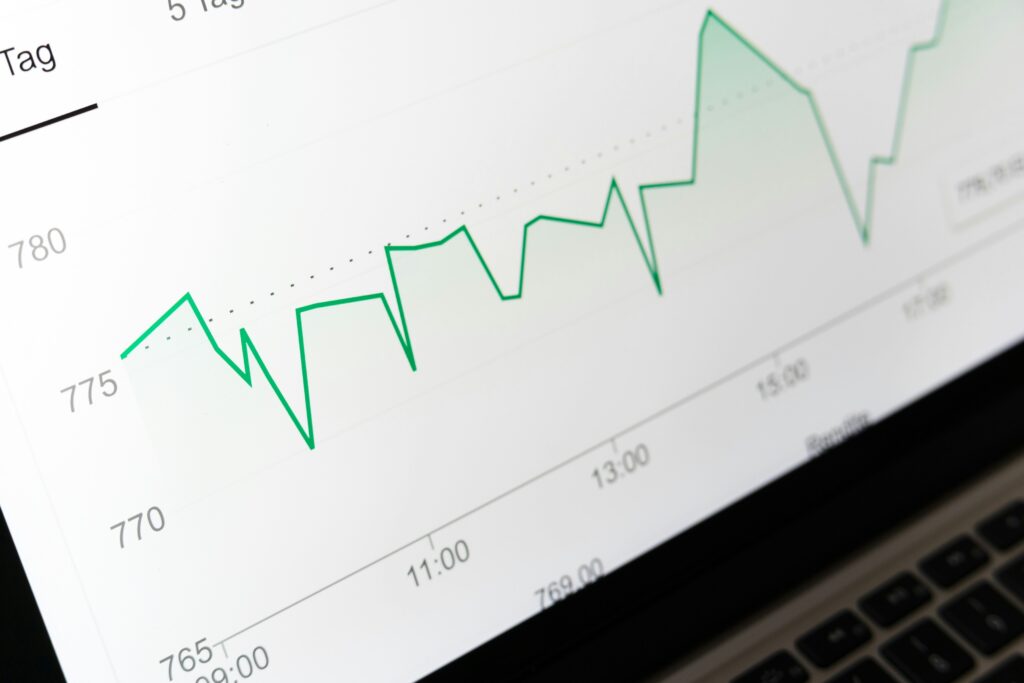
Crypto investing can seem chaotic — one week everyone’s celebrating a new all-time high, and the next, the market crashes without warning. For beginners, it’s easy to feel like you’re always late to the party or catching falling knives. The key to navigating this unpredictability? Understanding market cycles.

This beginner’s guide breaks down how crypto market cycles work, how to identify them, and how you can use this knowledge to make smarter, more strategic investment decisions.
🔄 What Are Crypto Market Cycles?
A market cycle refers to the recurring phases of price movement that all financial markets experience — from optimism-fueled highs to fear-driven lows. These patterns are driven by human psychology, investor sentiment, macroeconomic conditions, and supply/demand dynamics.
In crypto, these cycles are especially amplified due to:
-
Low market maturity
-
High retail participation
-
Fewer institutional stabilizers
-
24/7 trading with global access
Despite their volatility, crypto markets still follow a recognizable rhythm. Once you can identify the phase of the cycle, you’ll have an edge in knowing when to enter, hold, or exit your position.
📉 The Four Phases of a Crypto Market Cycle
Crypto market cycles typically follow this structure:
-
Accumulation
-
Uptrend (Bull Market)
-
Euphoria / Distribution
-
Downtrend (Bear Market)
Let’s explore what each phase looks like in real time — and what beginners should do in each.
🟢 Phase 1: Accumulation – The Smart Money Phase
What’s Going On:
The market has crashed, and prices have bottomed out. Most people are disinterested or skeptical. There’s minimal media coverage, and many investors feel burned. But behind the scenes, experienced investors (often called “smart money”) are quietly buying.
Signs to Spot:
-
Prices have stabilized after steep declines
-
Sideways movement with low volatility
-
Negative public sentiment
-
“Crypto is dead” headlines
Why It Matters:
This phase offers the best long-term buying opportunity — but it’s also the hardest to act on because it goes against the crowd. Investing here requires patience and conviction, but historically, this is where the most gains are made.
Beginner Tip:
If no one around you is talking about crypto anymore, and prices have been flat for months, you’re probably in the accumulation phase. That’s a green flag.
🚀 Phase 2: Bull Market – Optimism Returns
What’s Going On:
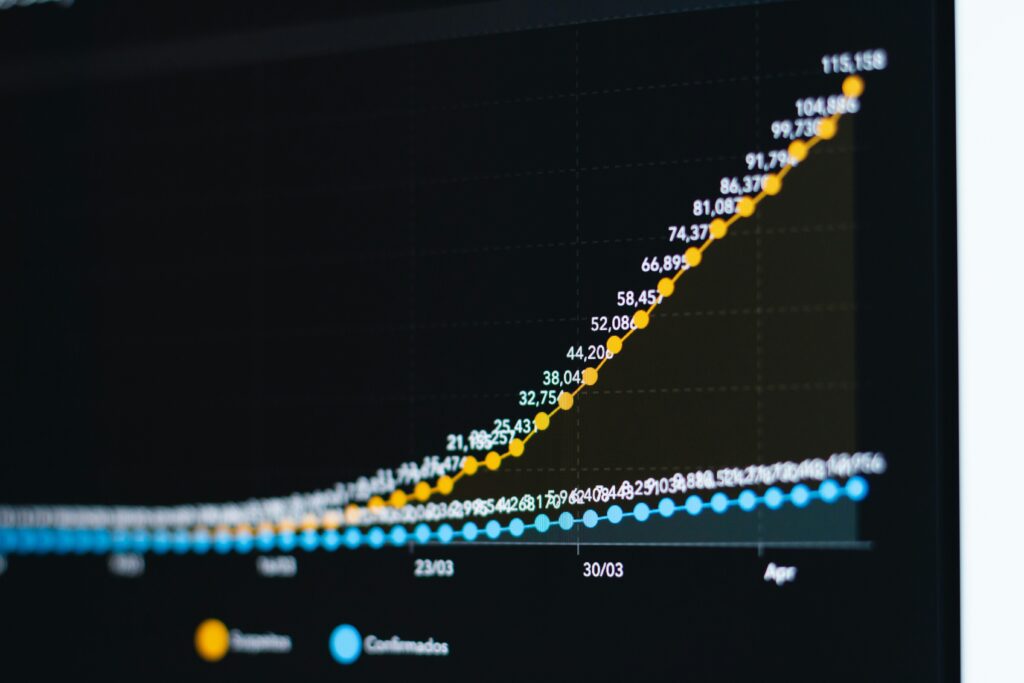
Confidence is back. Prices steadily climb, then rapidly accelerate. Trading volume increases. Media outlets begin covering crypto again. New investors start buying in. Some coins begin showing 2x, 5x, even 10x returns.
Signs to Spot:
-
Rising prices across multiple assets
-
Increased interest on Twitter, TikTok, and Reddit
-
Surge in crypto-related Google searches
-
Exchange activity and wallet addresses rising
Why It Matters:
This phase is exciting but tricky. Everyone seems to be making money, and it’s tempting to chase returns. However, jumping in too late during this phase increases the risk of buying near the top.
Beginner Tip:
This is a good time to ride the momentum, but make sure your portfolio is diversified, and stick to projects you understand. Avoid leverage unless you truly know what you’re doing.
💥 Phase 3: Euphoria – Where Most People Lose Money
What’s Going On:
Prices are parabolic. Influencers are dropping daily coin picks. Celebrities launch tokens. Dog coins with no utility are doubling overnight. It feels like the market will never crash — until it does.
Signs to Spot:
-
“Life-changing gains” posts everywhere
-
Fear of missing out (FOMO) is widespread
-
Beginners enter without research
-
Irrational optimism: “This coin can’t fail”
-
People take out loans to invest in crypto
Why It Matters:
This is the riskiest time to enter the market. Although some money can still be made in short-term trades, this is also when many beginners make emotional decisions, overextend, and lose big when the market inevitably reverses.
Beginner Tip:
If your taxi driver, hairdresser, and neighbor are all talking about the same memecoin — that’s not a buy signal. That’s a sell signal.
🔻 Phase 4: Bear Market – The Great Shakeout
What’s Going On:
Prices plummet. Scams are exposed. Some exchanges or projects may collapse. Confidence vanishes. Panic selling increases. For many, it’s a painful lesson. But for those who survive, it’s also a time to reflect, learn, and prepare for the next cycle.
Signs to Spot:
-
Continuous downward price movement

-
News predicting the end of crypto
-
High-profile bankruptcies (e.g., FTX, Celsius in previous cycles)
-
Social media silence
-
Drop in daily active users and transaction volumes
Why It Matters:
While bear markets are harsh, they cleanse the ecosystem of weak, unsustainable projects. They also present a golden opportunity to re-enter the market before the next bull cycle.
Beginner Tip:
Resist the urge to panic sell. Use this time to learn, study past market cycles, and dollar-cost average into strong, long-term assets.
🧠 The Psychology Behind Crypto Cycles
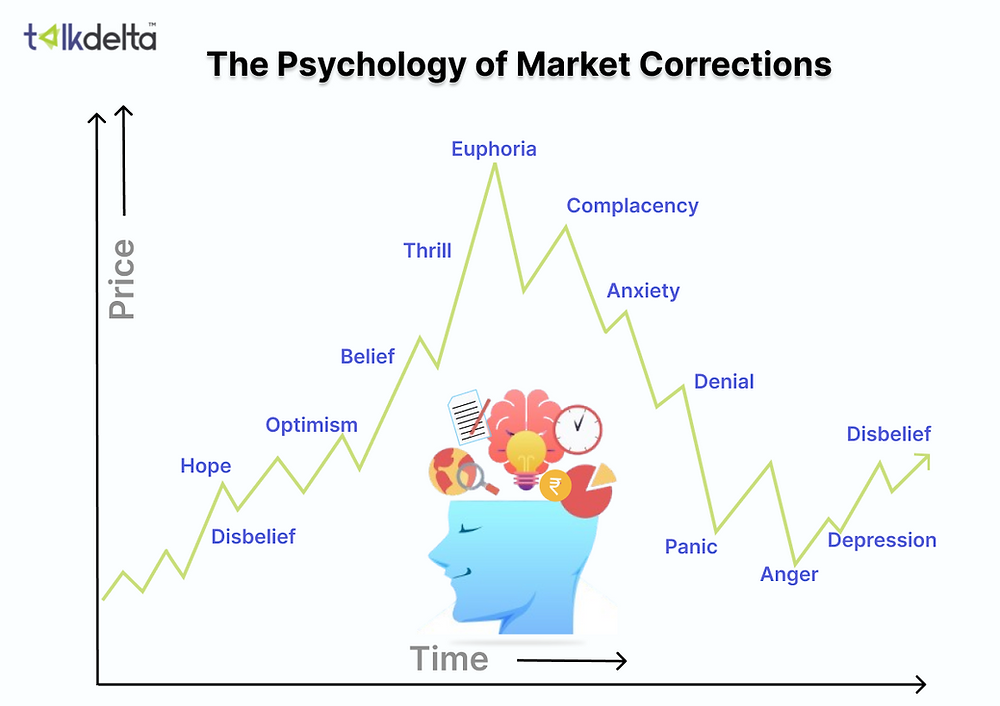
At the heart of every market cycle is human emotion. The classic market psychology curve mirrors investor sentiment at every phase:
-
Hope → Belief → Euphoria → Complacency →
Anxiety → Fear → Despair → Capitulation → Hope
Understanding this emotional curve helps you:
-
Avoid herd behavior
-
Spot irrational exuberance
-
Stay grounded during fear-driven sell-offs
-
Invest with logic, not emotion
⏳ How to Time Your Entry: Smart Tips for Beginners
Nobody can predict the market perfectly — not even seasoned traders. But here’s how you can improve your entry strategy:
✅ 1. Use Dollar-Cost Averaging (DCA)
Invest a fixed amount on a regular schedule (e.g., $50 every Monday), regardless of market price. This removes emotion from the equation and spreads your entry points over time.
✅ 2. Zoom Out and Think Long Term
Instead of obsessing over daily price swings, look at the macro trend. Bitcoin, for example, has historically moved in 4-year cycles tied to its halving events. Understand this rhythm and act accordingly.
✅ 3. Wait for Market Sentiment to Cool
If everyone is celebrating and prices are euphoric, pause. The best opportunities often come when things feel boring, not exciting.
✅ 4. Track On-Chain and Sentiment Metrics
Websites like CoinMarketCap, Crypto Fear & Greed Index, and Glassnode offer data on market health. Learn to read:
-
Exchange inflows/outflows
-
Active addresses
-
Network volume
-
Social media sentiment
✅ 5. Stay Educated
The more you understand crypto, the less likely you are to panic or follow hype. Read whitepapers, follow credible analysts, and learn how to assess fundamentals — not just price charts.
🧭 Final Thoughts: The Cycle Is Your Compass
You don’t need to predict the market — you just need to recognize the signs.
Crypto market cycles are part of the game. Instead of fighting them, use them to your advantage. Understand the rhythm, align your strategy with the phase we’re in, and remember: you make your money when you buy, not when you sell.
Whether you’re building your first portfolio or preparing to re-enter after a crash, knowledge of market cycles can help you make clearer, calmer, and more confident decisions.
Because in crypto, the past doesn’t repeat — but it definitely rhymes.