

In today’s digital-first world, startups are under constant pressure to break through the noise, capture attention, and build lasting relationships with their audiences. While many founders pour resources into product development, fundraising, or PR stunts, there’s often one key growth lever they overlook—or misunderstand entirely: content marketing.
Content marketing isn’t just about writing blogs or sharing social media posts. Done right, it’s the foundation for building trust, positioning your brand as a thought leader, and fueling sustainable growth. Yet, despite its proven power, far too many startups either ignore it or approach it with short-term thinking.
So, why exactly does content marketing matter, and where do so many promising startups go wrong? Let’s break it down.
The Real Value of Content Marketing
Startups don’t just need attention—they need trust. And that’s exactly what content marketing builds.
Unlike paid ads that disappear when your budget dries up, good content has long-term value. A single well-written article or guide can continue bringing visitors and potential customers months—or even years—after it’s published. For early-stage companies, especially in fast-moving spaces like crypto or Web3, that’s a strategic advantage you can’t afford to ignore.
– Thought Leadership
Your potential users, investors, and even future team members are all online, searching for information. When your startup consistently produces insightful content, you position yourself as an authority in your field. You’re not just selling a product—you’re educating, informing, and adding value to the entire ecosystem you operate in.
–Building Trust Before Selling
People don’t buy from companies they don’t trust. Especially in emerging industries where skepticism is high, consistent content builds familiarity and trust over time. The result? By the time someone is ready to make a buying decision—or recommend you—they already know who you are.
– Long-Term Visibility Through SEO
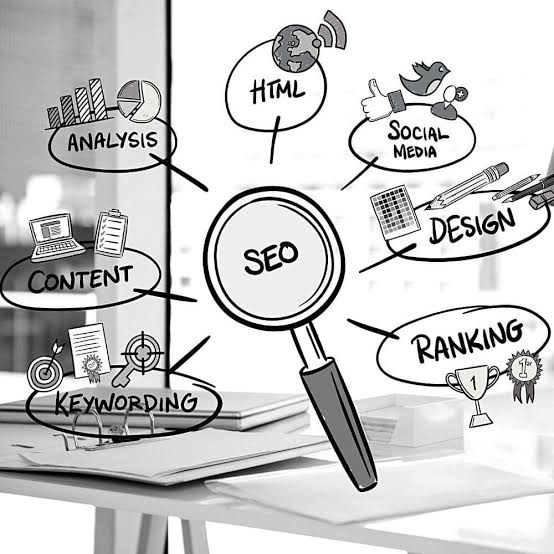
Good content fuels organic growth. If you’re answering the questions your potential customers are Googling, your site becomes their go-to resource. Unlike paid marketing channels that demand constant spending, SEO-driven content keeps delivering value long after it’s published.
–Differentiation in Crowded Markets
Most industries today—crypto included—are noisy. Everyone’s launching a new product, protocol, or feature. Content is where you stand out. By articulating your unique viewpoint, your mission, and your “why,” you can create a loyal following that resonates with more than just your tech specs or tokenomics.
What Startups Often Get Wrong
Despite its clear benefits, many startups completely miss the mark with their content strategies. Why? A combination of misconceptions, impatience, and lack of strategic focus.
– Mistaking Content for Social Media Posts Only
Social media is important—but it’s just one channel. Content marketing goes beyond random tweets or LinkedIn updates. It’s about building a library of valuable resources: blogs, newsletters, whitepapers, guides, and case studies that people actually want to read. A startup’s content strategy needs more depth than just posting product updates.

– Chasing Virality Instead of Consistency
One viral post might give you a spike in attention—but what happens the next day? Too many startups fall into the trap of trying to go viral rather than focusing on steady, consistent content that nurtures their audience. Consistency builds brand authority, trust, and recognition. Virality is unpredictable; consistency is powerful.
–Ignoring SEO and Discoverability
Many startups don’t optimize their content for search engines, meaning they’re missing out on free, organic traffic. If you’re writing a blog post but not thinking about keywords, user intent, or how Google will rank it, you’re leaving growth on the table. SEO isn’t optional—it’s essential.

– Not Understanding the Target Audience
Startups sometimes create content based on what they think sounds good—not what their audience actually needs. The result is fluffy content that doesn’t connect or provide real value. Startups must get crystal clear on who they’re talking to, what problems those people face, and how their content can help solve them.
–Treating Content as “Optional”
For some founders, content is viewed as a nice-to-have—something they’ll “get to later” after the product is live or the next funding round closes. This is backward. Strategic content should be baked into the growth plan from the start. If you wait too long to start building authority and trust, you’ll always be playing catch-up.
How to Do It Right
If you’re a startup founder or part of a growing team wondering how to actually get content marketing right, here’s the formula:
– Start with Strategy
Before you write a single blog post, take time to define your audience, messaging pillars, and brand tone. What does your audience care about? What problems are you solving? What topics can you “own” that competitors aren’t addressing?
–Consistency Over Virality
Forget chasing trends just for the sake of attention. Focus on consistent, valuable publishing. Regular blogs, newsletters, or guides will compound in value over time. Your brand should become known for consistently sharing useful insights.
–Repurpose Your Content
A great blog can turn into a Twitter thread. A long-form guide can fuel dozens of LinkedIn posts. Repurposing content saves time, reinforces key messages, and allows you to meet your audience where they are.
– Measure and Adapt
Content isn’t a guessing game. Use analytics to track what’s working—whether that’s blog views, time on page, email signups, or leads generated. Over time, you’ll sharpen your strategy and focus more on what works.
Final Thoughts
In a world overflowing with information, content marketing is how startups cut through the noise, earn attention, and build trust with the right people. It’s not a shortcut, but it is one of the smartest long-term investments you can make in your brand’s growth.
Startups that fail to prioritize content often find themselves scrambling for attention or paying for expensive ads just to stay relevant. But the startups that treat content like an essential part of their growth strategy? They build something that lasts.
Now’s the time to get it right. Your future customers are already searching for you—make sure they can find you.